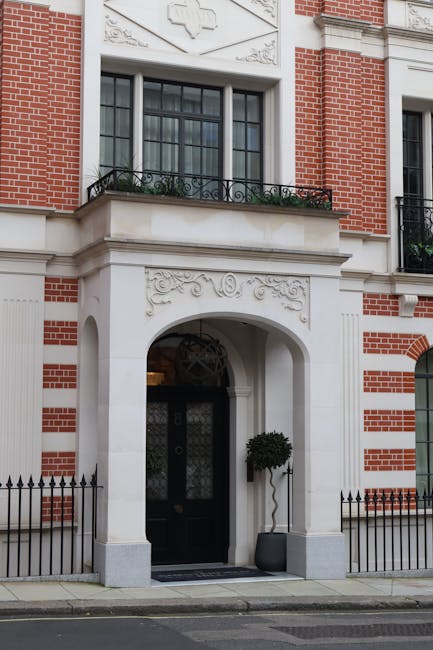
W1K building carpet maintenance checklist for Mayfair
Posted on 14/05/2026
W1K Building Carpet Maintenance Checklist for Mayfair
If you manage a building in W1K, you already know the carpets take a beating in ways people rarely notice until something goes wrong. Mud from a wet Mayfair morning, coffee near the lift, heels at reception, and the odd delivery trolley all add up. A good W1K building carpet maintenance checklist for Mayfair is not just about keeping things looking tidy; it helps protect your floors, reduce long-term costs, and make the whole property feel properly cared for.
This guide is written for building managers, landlords, concierge teams, facilities staff, and anyone responsible for shared carpets in Mayfair. It breaks the work into clear steps, explains what matters most, and shows where regular care ends and professional support begins. If you want a broader look at service options, you can also explore the full range of cleaning services and the dedicated carpet cleaning support for W1K properties.
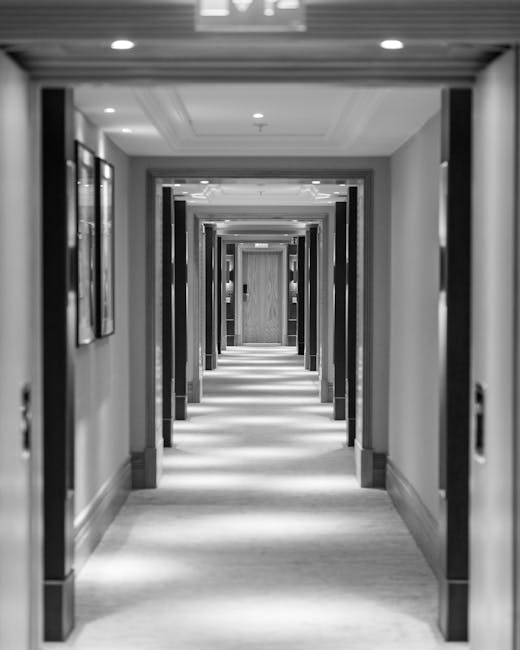
Why W1K building carpet maintenance checklist for Mayfair Matters
Carpets in a Mayfair building do more than decorate a corridor. They absorb foot traffic, damp weather, dust, grit, and the everyday wear that comes from residents, visitors, and staff passing through all day. In a place like W1K, appearance matters, but so does upkeep. A tired carpet near the entrance can make an otherwise elegant building feel neglected. That first impression lands quickly, and to be fair, people notice it more than they say.
The real value of a maintenance checklist is consistency. Without a plan, cleaning becomes reactive: a stain here, a patch there, an emergency call when something has already set in. With a structured approach, you get ahead of the problem. You also protect carpet fibres, reduce odours, and make it easier to spot issues before they spread. That means fewer costly surprises and less disruption for occupants.
There is also a practical comfort angle. Clean carpets help common areas feel quieter, fresher, and more welcoming. In a residential block, that matters to residents. In an office or managed building, it matters to clients and visitors too. A building that feels cared for usually is cared for, and carpets are often one of the clearest signs.
For buildings that also need adjoining services, it can help to think in layers. Regular carpet care sits alongside office cleaning in Mayfair, broader deep cleaning options, and sometimes even seasonal support such as spring cleaning in the area. The point is not to overcomplicate it. It is to keep standards steady.
How W1K building carpet maintenance checklist for Mayfair Works
A strong checklist divides carpet care into manageable frequencies: daily, weekly, monthly, and periodic deep cleaning. That sounds straightforward, because it is. The trick is matching the task to the traffic level and the type of carpet. A lightly used private corridor needs a different rhythm from a busy entrance hall near a concierge desk.
At the daily level, you are mainly stopping dirt from being worked deep into the pile. Think vacuuming high-traffic areas, spot-checking spills, and cleaning mats or entrances before debris spreads. Weekly tasks usually focus on more detailed vacuuming, looking for wear, and checking edges, lifts, and stair landings. Monthly work may involve stain treatment, grooming the carpet, and reviewing whether mats, runners, or cleaning frequency are still doing the job. Then, every so often, the carpet needs a professional clean to remove embedded soil that standard maintenance will not touch.
In our experience, the buildings that stay in the best condition are the ones that treat carpet care like a small operating system, not a one-off job. There is a rhythm to it. Not glamorous, maybe, but effective.
A good checklist also considers the building's use pattern. For example:
- Residential blocks need more attention at entrances, lifts, and stairwells.
- Managed offices often need quicker response times for spills and drink marks.
- Mixed-use buildings may require separate routines for public and private areas.
- Period properties often need more careful fibre-safe methods to avoid damage.
If you are still deciding what level of support suits the building, a quick read through the pricing and quotes guidance can help you understand how scope, access, and cleaning method affect the plan.
Key Benefits and Practical Advantages
The most obvious benefit is appearance. Clean carpets make a building feel brighter and more maintained. But the practical gains go further than that.
1. Longer carpet life. Dirt acts like fine sandpaper. The more it sits in the pile, the faster it wears down the fibres. Regular upkeep slows that process.
2. Better hygiene. Carpets can hold dust, allergens, and moisture. Routine care does not replace full cleaning, but it does reduce build-up between visits.
3. Lower repair pressure. A stain left too long often becomes a permanent mark. A small issue handled early is usually easier to remove. Simple enough, but people still delay it.
4. Improved resident or tenant experience. Nobody enjoys walking into a building that smells damp or looks grubby. It affects how they feel about the property overall.
5. More predictable budgeting. Planned maintenance is easier to budget for than emergency call-outs and premature replacement.
6. Better protection of the building's image. In Mayfair, that matters. Especially in W1K, where expectations are naturally high and visitors tend to notice detail.
Expert summary: The best carpet maintenance plans are boring in the best possible way. They are steady, repeatable, and built around prevention. That is what keeps carpets looking presentable long after a quick clean would have given up.
Who This Is For and When It Makes Sense
This checklist is useful for anyone responsible for carpets in communal or client-facing spaces. If you manage a building in Mayfair, it is likely relevant already. The question is how formal you want the system to be.
It makes sense for:
- block managers and estate managers
- landlords and property owners
- concierge and front-of-house teams
- facilities managers
- office administrators overseeing shared areas
- cleaning contractors who want a clearer site routine
It is especially useful when the building has higher footfall, frequent visitors, or a mix of uses. If there are regular events, private functions, or hospitality-style arrivals, carpet soil builds faster than people expect. One wet afternoon can undo a week of decent upkeep. Happens all the time.
For buildings with more general cleaning requirements, there may also be a place for house cleaning support, domestic cleaning services, or one-off cleaning in the area. Those do not replace carpet care, but they can support a broader maintenance routine.
If the building has a more premium or guest-facing feel, it is worth pairing carpet care with upholstery and soft furnishing upkeep too. Clean carpets beside grubby seating just does not quite work, does it?
Step-by-Step Guidance
Here is a practical way to build a carpet maintenance checklist that actually gets used rather than ignored after a week.
1. Map the carpeted areas
Start with a simple inventory. List entrances, corridors, stairwells, lifts, landings, reception spaces, waiting areas, and any side rooms or offices. Note the carpet type if you know it. Wool, wool-blend, and synthetic carpets can all respond differently to cleaning products and moisture.
2. Identify high-traffic zones
Not every section needs the same level of attention. The first few metres inside the main entrance, the area in front of lift doors, and the foot of staircases usually take the most punishment. Mark these as priority zones.
3. Set a daily routine
Daily tasks should be short and doable. If they take too long, they will not happen consistently.
- Vacuum high-traffic areas
- Check for spills and fresh marks
- Remove visible debris near entrances
- Inspect mats for dirt build-up or movement
- Report damage, snags, or loose edges
4. Build a weekly routine
Weekly work should be a bit more detailed. This is where you catch what the daily sweep misses.
- Vacuum all carpeted common areas
- Clean under furniture where accessible
- Spot-treat small stains using suitable products
- Check for wear patterns, flattening, and discolouration
- Review entrance mat performance
5. Add a monthly review
Once a month, step back and look at the bigger picture. Are certain areas getting dirty too fast? Are cleaning products helping, or just pushing dirt around? Is the schedule realistic? This is the moment to adjust things before the problem becomes obvious to everyone else.
6. Schedule periodic professional cleaning
Routine vacuuming is essential, but it will not remove everything. Deep soil, oily residue, and stale marks usually need professional treatment. The right method depends on the carpet and the building, which is why a site assessment matters. A decent contractor will not just steam everything and hope for the best. That would be lazy, frankly.
If you want a better sense of how a provider approaches these jobs, you can look at the about us page and the company's insurance and safety information before booking anything. That is just sensible.
Expert Tips for Better Results
Small adjustments make a big difference over time. Here are the things that tend to separate decent carpet care from really solid maintenance.
- Use proper entrance matting. Good mats catch grit before it hits the carpet. They need cleaning too, though, otherwise they become part of the mess.
- Respond to spills quickly. The longer a spill sits, the deeper it sinks. Blot first, clean gently, and avoid scrubbing hard.
- Keep cleaning products compatible with the fibre. Harsh chemicals can damage colour or texture. If you are unsure, test first in a discreet area.
- Vacuum slowly enough to matter. Quick passes look efficient, but they often miss embedded dirt.
- Rotate attention to problem spots. Entrance paths, reception corners, and chair areas often need more frequent care than the rest.
- Document everything. A simple log helps track recurring issues and proves what has been done. Handy, especially in larger buildings.
A small real-world point: in many Mayfair buildings, the carpet near the main entrance can look fine in the morning and tired by mid-afternoon. That is where matting, regular vacuuming, and occasional interim cleaning earn their keep.
If a stain keeps coming back after cleaning, it may not be a surface issue at all. Sometimes the residue has migrated through the backing, or the spill reached the underlay. In that case, a more careful method is needed. No drama, just the right fix.
Common Mistakes to Avoid
Most carpet problems in buildings come from a few avoidable habits. Here are the usual culprits.
Using the same routine for every area. A quiet side corridor should not be treated like a front entrance. Traffic levels matter.
Waiting until stains are visible from across the room. By that stage, the issue has usually set in.
Over-wetting the carpet. Too much moisture can lead to slow drying, odour, or damage beneath the surface.
Ignoring the edges and corners. Dirt collects where vacuums sometimes miss, especially along skirting boards and around lifts.
Skipping mat maintenance. If mats are full of grit, they stop protecting the carpet and start spreading dirt.
Not recording repeat issues. If the same patch keeps getting dirty, the building might have a layout, access, or drainage problem that needs attention.
Choosing convenience over suitability. The quickest method is not always the best method. Truth be told, that is how many carpets get shortened lives.
Tools, Resources and Recommendations
You do not need a warehouse full of equipment to keep carpets in good shape. You do, however, need the right basics.
| Tool / Resource | Best Use | Why It Helps |
|---|---|---|
| Commercial vacuum cleaner | Daily and weekly upkeep | Removes grit before it wears the pile down |
| Entrance mats | Main doorways and internal entrances | Stops dirt spreading through the building |
| Neutral carpet-safe cleaning solution | Spot treatment | Helps lift fresh marks without damaging fibres |
| Microfibre cloths | Spill response | Absorb liquid quickly and reduce smearing |
| Maintenance log | Recording tasks and issues | Keeps routines consistent and easy to review |
| Professional deep cleaning service | Periodic restoration | Removes embedded dirt that routine cleaning leaves behind |
For buildings that want a broader seasonal reset, a guide to upholstery cleaning in Grosvenor Square can also be useful, especially if carpets and seating age at different speeds. Those details matter in shared spaces; they really do.
If you are deciding whether to book a one-off visit or set up recurring care, the request a quote page is the most direct place to compare your options.
Law, Compliance, Standards, or Best Practice
For most buildings, carpet maintenance is less about a single legal rule and more about meeting general duties of care, safety, and housekeeping. The exact obligations depend on the building type, use, and who is responsible for managing the site. It is sensible to keep the approach practical and proportionate rather than overcomplicate it.
In UK buildings, good practice usually includes:
- keeping walkways safe and free from obvious trip hazards
- using suitable cleaning products and following product instructions
- allowing carpets to dry properly after wet cleaning
- recording maintenance where it helps show reasonable management
- checking that any contractor has appropriate insurance and safety controls
For buildings with staff, residents, visitors, or contractors moving through common areas, these basics matter. They help reduce slip risks, protect finishes, and support a tidy standard that feels fair to everyone using the space.
If you want to understand the company's operational approach a little more, the pages on health and safety policy, terms and conditions, and privacy policy provide useful background. Not exciting reading, admittedly, but good to have.
Options, Methods, or Comparison Table
Different carpet maintenance methods serve different purposes. A building in W1K will often need a mix, not just one approach. Here is a straightforward comparison.
| Method | Best For | Strengths | Limitations |
|---|---|---|---|
| Regular vacuuming | Daily dust and grit control | Fast, affordable, essential | Does not remove deep-set staining |
| Spot cleaning | Fresh spills and small marks | Prevents stains from settling in | Can spread marks if done badly |
| Interim maintenance cleaning | Busy shared areas | Refreshes appearance without major disruption | Not a full restorative clean |
| Hot water extraction or deep cleaning | Heavier soil build-up | More thorough, better for embedded dirt | Needs drying time and correct handling |
| Specialist stain treatment | Persistent or delicate marks | Targets problem areas carefully | Often needs professional judgement |
The right mix depends on how the building is used. A quiet residential lobby may only need routine upkeep plus periodic deep cleaning. A busier office entrance might need more frequent interim cleaning and a tighter spill-response process.
Case Study or Real-World Example
Picture a small managed building near central Mayfair with carpeted corridors, a reception area, and lift lobbies on each floor. At first glance the carpets look fine. Then the team notices the entrance area darkening, one stair landing looking flat, and a coffee stain near reception that keeps returning after quick wiping. Nothing dramatic. Just a slow drift.
The building manager introduces a simple checklist: vacuum high-traffic zones daily, inspect entrance mats every morning, log stains immediately, and schedule a deeper clean every few months depending on traffic. They also move one mat closer to the main door and switch to a gentler spot-cleaning product approved for the carpet fibre.
Within a few weeks, the corridors look more even. The stain stops reappearing. The carpet still has signs of use, of course, but it no longer looks tired. More importantly, staff stop spending time reacting to small messes all day. That is the hidden win. Less chasing, more control.
If the building also has guest areas or nearby furnishings that see regular use, the broader local context matters too. Articles such as whether Mayfair is the right place for you or the piece on Mayfair's quieter beauty help show why presentation in this part of London carries extra weight. It is not just vanity. It is part of the setting.
Practical Checklist
Use this as a working checklist for your building. Keep it simple enough that someone will actually follow it.
- Daily vacuum entrance routes, reception areas, and lift lobbies.
- Daily inspect for spills, tracked-in dirt, and loose carpet edges.
- Daily clean mats and shake out debris where practical.
- Weekly vacuum all carpeted common areas thoroughly.
- Weekly spot-treat fresh marks using carpet-safe products.
- Weekly check corners, skirting edges, and under furniture where possible.
- Monthly review traffic patterns and identify areas wearing faster than others.
- Monthly inspect for odours, flattening, recurring stains, or colour changes.
- Monthly confirm whether mat placement is still working.
- Quarterly or as needed arrange professional carpet cleaning for deep soil removal.
- Quarterly or as needed review whether the maintenance schedule matches the actual building use.
- After events or busy periods increase cleaning frequency for a short time.
Practical takeaway: if your checklist is too long, it will be ignored. If it is too short, it will not protect the carpet. Aim for the middle. That is where the value sits.
Conclusion
A solid W1K carpet maintenance plan is really about control. Not perfection, just control. Keep dirt from settling in, deal with spills quickly, review problem areas often, and bring in deeper cleaning before the carpet starts looking tired. In a place like Mayfair, where the standard is visible the moment someone walks through the door, that consistency matters more than a one-off polish.
Whether you oversee a residential block, office space, or a mixed-use property, the best checklist is the one that fits the building's real rhythm. Start small, stay steady, and adjust as the traffic changes. That is usually enough to keep carpets looking respectable for much longer than most people expect.
If you are ready to improve your building's carpet care, speak with the team, compare options, and choose a plan that suits the property rather than guessing. A little structure goes a long way.
Get a free quote today and see how much you can save.
For direct help or a quick conversation about your building, you can also contact the team here.