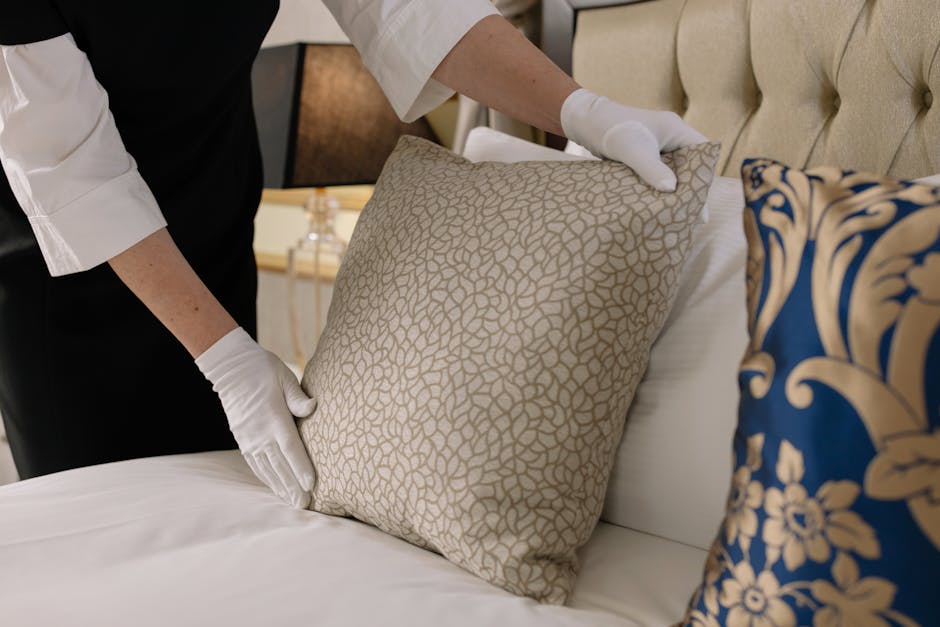
Grosvenor Square upholstery cleaning services in Mayfair
Posted on 27/04/2026
Grosvenor Square Upholstery Cleaning Services in Mayfair: A Practical Guide for Elegant Homes and Busy Properties
Upholstery in and around Grosvenor Square works harder than most people realise. Think about high-use sofas, statement armchairs, dining chairs, and occasional pieces that look impeccable one day and dull the next after a dinner party, a rental handover, or simply a few months of everyday life. If you are looking for Grosvenor Square upholstery cleaning services in Mayfair, you are usually looking for more than a cosmetic tidy-up. You want fabric-safe methods, careful handling, reliable scheduling, and results that suit the standard of the property.
This guide explains how professional upholstery cleaning works in this part of Mayfair, what to expect, when it makes sense, and how to choose a service that protects your furniture rather than just making it look better for a day. You will also find practical advice on fabric types, stain risks, maintenance, compliance, and the small details that separate a decent clean from a genuinely careful one. If you also need a broader view of local services, the services overview and upholstery cleaning in Mayfair pages are useful starting points.
Why Grosvenor Square upholstery cleaning services in Mayfair Matters
Furniture in Grosvenor Square properties often sits at the intersection of style, function, and expectation. A sofa is not just a sofa when it is part of a formal reception room, a private townhouse, a serviced apartment, or a discreet office lounge. The appearance of upholstery shapes how a room feels immediately. It can make a space look cared for, or quietly neglected.
There is also a practical side. Dust, body oils, food residue, pet dander, and general airborne debris all build up over time, even when a room appears clean. In a busy London location, fabric can absorb more than people expect. Regular upholstery care helps preserve the texture of the material and can reduce the kind of ingrained soiling that becomes difficult to remove later.
For households and landlords in the area, this matters for a few reasons:
- Presentation: clean upholstery improves the overall look of a room quickly.
- Maintenance: professional cleaning can help extend the usable life of furniture.
- Hygiene: fabric can trap particles that simple vacuuming does not fully remove.
- Property value: in premium homes, the condition of soft furnishings contributes to the impression of quality.
If you live, work, or host regularly around the square, upholstery cleaning is not an occasional luxury. It is part of keeping the property in shape. For people comparing local services, it can help to read a little around the district too, such as this guide to the Mayfair district and the local perspective on whether Mayfair is the right place for you.
Expert summary: In premium postcodes, upholstery cleaning is about appearance, fabric care, and confidence. The best results come from matching the method to the material, not from using the strongest product available.
How Grosvenor Square upholstery cleaning services in Mayfair Works
A proper upholstery clean is usually a staged process. Good providers do not rush straight in with water or detergent. They begin with identification, testing, and planning. That sounds obvious, but it is where many problems are avoided.
1. Fabric inspection
The cleaner should identify the material first: wool blend, cotton, linen, velvet, synthetic fibres, leather, or a mixed construction. They may also look for trim, piping, wooden detailing, loose stitching, and previous repairs. The construction matters because some fabrics respond well to hot water extraction, while others need low-moisture or solvent-based care.
2. Pre-testing and stain assessment
Before any full clean, a small hidden area is normally tested. This helps assess colour fastness and the likelihood of reaction to the chosen solution. Stains are also reviewed one by one. Wine, coffee, grease, ink, and cosmetic transfer each behave differently. A reliable cleaner will be cautious rather than overpromising.
3. Dry soil removal
Loose dust and grit are removed first. This is not the glamorous bit, but it matters. Abrasive particles can wear fibres down when moisture is applied. A careful vacuuming stage can make a meaningful difference to the final result.
4. Targeted treatment
Visible marks are treated with appropriate spot-cleaning techniques. The key is restraint. Over-wetting one area can leave tide marks, colour distortion, or a longer drying time than the fabric can comfortably handle.
5. Main cleaning method
Depending on the upholstery, the cleaner may use:
- Hot water extraction: effective on many durable fabrics when done correctly.
- Low-moisture cleaning: suitable where faster drying or delicate treatment is needed.
- Foam or encapsulation methods: used in some maintenance scenarios.
- Specialist leather cleaning: designed to clean and condition without saturating the material.
6. Rinsing, grooming, and drying advice
After cleaning, the fabric may be lightly rinsed, brushed, or groomed to restore pile and texture. You should also receive clear guidance on drying times, ventilation, and when the furniture can be used again. That final bit is often what clients remember most, because a great clean that is followed by confusing aftercare advice is still an incomplete service.
If the same household needs more than one service, it can make sense to combine upholstery care with carpet cleaners in Mayfair or even broader house cleaning support to reduce disruption.
Key Benefits and Practical Advantages
People usually call for upholstery cleaning because they can see a problem. But the benefits often go beyond the obvious stain or smell. A single visit can improve the room in ways that are not always visible in before-and-after photos.
- Brighter appearance: fabrics often regain a fresher, more even look after deep cleaning.
- Odour reduction: household smells can settle into soft furnishings and linger.
- Improved comfort: clean fabric feels more pleasant in everyday use.
- Better first impressions: ideal for hosting, valuations, inspections, or guest stays.
- Fabric longevity: regular maintenance can slow wear caused by embedded grit and residue.
- Property readiness: useful before photography, handover, or a special event.
There is also a subtle but important benefit: confidence. When the furniture looks clean, the whole room becomes easier to live in. That sounds simple, but in premium properties it matters a great deal. Nobody wants a beautiful room undermined by a tired chaise or a stubborn watermark on a sofa arm.
For landlords and agents, upholstery care can also support a stronger presentation during tenancy transitions. If you are dealing with turnover rather than routine upkeep, pairing it with end of tenancy cleaning in Mayfair is often the most efficient approach.
Who This Is For and When It Makes Sense
Upholstery cleaning in Grosvenor Square is not only for heavily stained furniture. In fact, many of the best bookings are made before damage becomes serious. That is usually the smarter move.
This service makes sense for:
- Homeowners who want to maintain a polished interior without replacing furniture too soon.
- Tenants who need to leave the property in good condition at the end of a lease.
- Landlords and property managers responsible for presentation between occupancies.
- Hosts and event organisers preparing reception areas before guests arrive.
- Offices and private practices that use upholstered seating in waiting areas or meeting rooms.
- Interior-conscious residents who notice when fabric starts to lose texture or colour clarity.
It is especially sensible when you notice one or more of these signs:
- an overall dulling of fabric tone
- visible drink marks or food residue
- repeated use in the same seating area
- odours that return after regular airing
- allergy concerns linked to dust buildup
- preparing for guests, photos, or a formal gathering
Truth be told, many people wait until there is a visible problem. That is understandable, but upholstery is easier to care for before the stain has had weeks or months to settle in. If you are planning a move or purchase in the area, the local property context covered in acquiring homes in Mayfair and Mayfair property as an investment guide may also be useful.
Step-by-Step Guidance
If you want a smooth result, the process starts before the cleaner arrives. A little preparation makes the work more efficient and often improves the outcome.
- Identify the pieces that need attention. Walk the property and note the exact items: sofa, chaise, dining chairs, cushions, footstools, or office seating.
- Check care labels if available. These labels are not always easy to find, but if they are present, they help determine whether the fabric can handle water-based cleaning.
- Describe stains honestly. Do not guess or hide the history of a mark. A coffee stain, a bleach spot, and a water mark are different problems.
- Move fragile items away. Lamps, decor, and small furniture should be out of the working area.
- Vacuum lightly beforehand. This is helpful, even if the cleaner will also vacuum.
- Ask about the method. A good provider should explain whether the fabric needs extraction, low-moisture treatment, or specialist handling.
- Confirm drying expectations. Ask how long the room will need to ventilate and whether fans or open windows are recommended.
- Inspect the result before the cleaner leaves. Look at seams, arms, cushions, and shaded areas in natural light if possible.
That last step matters more than people think. Many issues are easier to address immediately than after the team has packed away the equipment.
If your schedule is tight, a broader arrangement may be easier. Some clients coordinate upholstery work with domestic cleaning in Mayfair or a one-off property refresh to avoid multiple visits. For offices, the equivalent is often a combined clean with office cleaning in Mayfair.
Expert Tips for Better Results
Here is where a little practical know-how pays off. These are the kinds of things that make a visible difference without needing any special equipment on your side.
- Act quickly on spills. Blot, don't rub. Rubbing pushes the spill deeper and can rough up the fabric.
- Keep a record of fabric types. If you know which sofa has which material, future cleaning becomes much simpler.
- Use the right attachment when vacuuming. A soft brush attachment is often kinder on upholstery than a hard nozzle.
- Mind the sunlight. After cleaning, drying should be even. Strong direct sun on one side of a piece can encourage uneven drying and some fabrics may fade over time.
- Ask for residue-minimising products. Leftover cleaning solution can attract more dirt if it is not properly managed.
- Think in zones. High-contact arms, headrest areas, and seat fronts usually need more attention than the rest of the piece.
One simple but effective tip: if a room has multiple upholstered items, prioritise the pieces that anchor the space visually. The biggest sofa or the most visible armchairs often change the room's appearance more than you expect. A clean chair near a window can make the whole area feel brighter.
For people comparing service quality, it is also worth looking at how clearly a company explains its process, safety approach, and payment options. The insurance and safety information, payment and security, and pricing and quotes pages are helpful indicators of how seriously the business treats the job. You can also review about the company to understand the wider service ethos.
Common Mistakes to Avoid
Upholstery cleaning can go wrong in predictable ways. Most problems come from haste, guesswork, or using the wrong method on the wrong fabric.
- Using too much water: over-wetting can lead to prolonged drying, marks, or even fabric distortion.
- Skipping a test spot: this is one of the simplest ways to avoid colour change or damage.
- Assuming all fabrics behave the same: they do not. Velvet, linen, wool, and synthetics each need different handling.
- Ignoring the cushion construction: fabric may be cleanable even if the inner filling needs care.
- Attempting aggressive DIY stain removal: some household products can make the stain worse or leave a permanent ring.
- Not asking about drying time: if the furniture is used too early, the result can be compromised.
- Choosing price alone: a lower quote is not a bargain if it leads to damage or poor aftercare.
To be fair, a lot of these mistakes happen because upholstery looks simple from a distance. It is not. A good cleaner treats it like a material-specific task, not a spray-and-pray exercise.
Tools, Resources and Recommendations
Even if you are hiring a professional, knowing the basic tools and resources involved helps you ask better questions and spot a more competent service.
Common tools used in upholstery cleaning
- vacuum cleaners with upholstery attachments
- fabric-safe stain treatment solutions
- microfibre cloths and absorbent towels
- soft brushes for pile grooming
- low-moisture or extraction equipment
- fans or air movers for controlled drying where appropriate
Useful service features to look for
- clear fabric assessment before work begins
- transparent quotation process
- experience with delicate or premium materials
- practical aftercare guidance
- flexible scheduling for homes, rentals, or offices
For readers wanting a broader context around service selection and local relevance, the blog section at Mayfair Carpet Cleaners blog contains several useful neighbourhood and property topics. If you are comparing trusted service pages, the local directory-style page on Mayfair carpet cleaning in W1K is also relevant for area-specific enquiries.
There is no single best method for every sofa, and that is the point. Good resources help you narrow down the right approach instead of forcing one universal answer.
Law, Compliance, Standards, or Best Practice
For upholstery cleaning, there is usually no special legal requirement that applies to the cleaning process itself in the way there might be for highly regulated trades. However, reputable businesses still need to work to sensible UK best practice in areas such as safety, consumer fairness, insurance, and data handling.
What this means in practical terms is straightforward:
- Insurance matters: if a cleaner is working in your home or premises, they should be appropriately insured for the work they carry out.
- Health and safety matter: equipment, chemicals, cords, and wet surfaces all need to be managed carefully.
- Product use should be sensible: cleaning chemicals should be used according to their instructions and with due care for occupants, pets, and fabrics.
- Pricing should be clear: you should understand what is included and whether any extras might apply.
- Complaint handling should exist: if a business has a clear complaints procedure, that is generally a sign of maturity rather than a red flag.
It is also sensible to check policies that show the company takes compliance seriously, such as the terms and conditions, privacy policy, complaints procedure, and health and safety policy. For wider company transparency, some readers also like to review the accessibility statement and modern slavery statement.
Best practice is not about paperwork for its own sake. It is about reducing risk for your property, the people in it, and the furniture itself.
Options, Methods, or Comparison Table
Different upholstery needs different treatment. The right choice depends on the fabric, the type of soiling, and how quickly you need the piece back in use.
| Method | Best For | Strengths | Watch Outs |
|---|---|---|---|
| Hot water extraction | Durable fabrics with embedded dirt | Deep cleaning, strong soil removal, good general refresh | May not suit delicate materials; drying time matters |
| Low-moisture cleaning | Fabrics needing faster turnaround | Less saturation, often quicker drying | May be less aggressive on heavy soiling |
| Foam or encapsulation | Maintenance cleans and lighter refreshes | Useful for routine care and surface dirt | May not fully address deep stains |
| Leather cleaning and conditioning | Leather chairs, sofas, and panels | Protects finish when done properly | Must be handled carefully to avoid drying or shine changes |
There is also a practical decision between a standalone upholstery visit and a broader package. If your home needs multiple touchpoints, a combined booking may be more efficient. For example, some clients pair upholstery work with domestic cleaning or end of tenancy cleaning. In office environments, upholstery care can sit naturally alongside a scheduled office cleaning service where the website structure supports it.
Case Study or Real-World Example
Imagine a Grosvenor Square apartment with a pale fabric sofa in the sitting room, four upholstered dining chairs, and two accent chairs that have started to look slightly flat around the arms. The property is well kept, but after a winter of guests, takeaway dinners, and general use, the furniture no longer matches the rest of the room.
A professional cleaner would likely start by identifying the fabrics, checking for hidden labels, and testing a small area. The sofa might need a low-moisture approach because of its delicate finish, while the chairs could handle a more direct extraction clean. Any marks near the arms and seat fronts would be treated individually. Drying advice would be given clearly, and the client would be told which items could be used sooner and which should be left to air properly.
The practical result is not only that the pieces look better. The room feels more coherent again. The sofa no longer drags the eye down, the dining area looks ready for use, and the apartment gives the impression of being carefully maintained. That is especially valuable in a location where visual standards are naturally high.
If the same client also wanted a broader refresh for the property, linking the upholstery clean with house cleaning or a scheduled one-off clean can reduce disruption and keep the whole home on the same maintenance cycle.
Practical Checklist
Use this simple checklist before booking any upholstery service in the Grosvenor Square area.
- Identify every upholstered item that needs attention.
- Check for care labels, manufacturer notes, or previous cleaning history.
- Note the main issues: stains, odours, general dullness, or fabric wear.
- Ask which cleaning method is most suitable for the fabric type.
- Confirm whether a test patch will be carried out first.
- Request a clear explanation of drying time and aftercare.
- Ask whether the service is insured and how any accidental damage is handled.
- Check whether the quote includes stain treatment or only standard cleaning.
- Prepare the room so the cleaner has space to work safely.
- Inspect the furniture after cleaning while any concerns can still be raised promptly.
Quick take: the right upholstery clean should feel careful, specific, and calm. If a provider seems rushed before they even arrive, that is not usually a good sign.
Conclusion
Grosvenor Square upholstery cleaning services in Mayfair are about much more than making a sofa look acceptable again. They protect the presentation of a property, support fabric longevity, and help maintain the standard expected in one of London's most distinctive neighbourhoods. Done well, upholstery cleaning is precise, fabric-aware, and low-drama. That is exactly what you want.
The strongest results come from choosing a provider that asks the right questions, understands materials, explains the process clearly, and respects both your furniture and your time. Whether you are preparing for guests, managing a rental transition, refreshing a family home, or maintaining an office reception area, a thoughtful cleaning plan will usually beat a last-minute rescue attempt.
If you are comparing options, start with the service pages, review the supporting policies, and look at how transparently the business explains pricing and safety. A little careful checking up front can save a great deal of hassle later.
Get a free quote today and see how much you can save.