Hidden odour issues after events in Mayfair venues
Posted on 18/06/2026
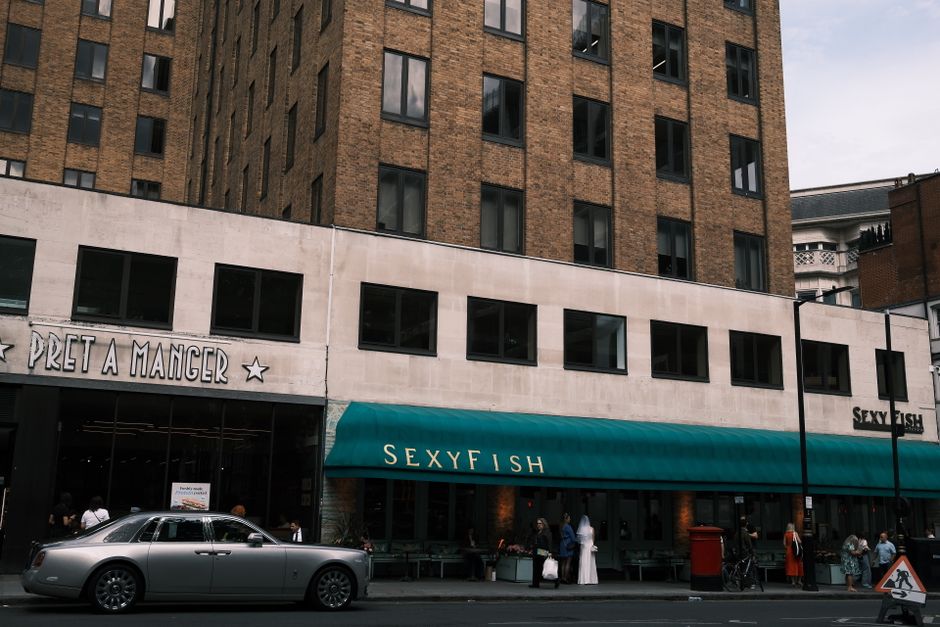
After a lively dinner, launch party, private reception or late-night celebration, the room can look immaculate and still carry a smell that just won't quite leave. That is the awkward part of hidden odour issues after events in Mayfair venues: the obvious mess is gone, but the air, carpets, upholstery and soft furnishings can quietly hold on to odours long after the lights are switched off.
If you manage a venue in Mayfair, work in events, or are responsible for a private apartment, members' room or office used for gatherings, this matters more than people realise. A faint smell the next morning can become a customer complaint, a reputational issue, or simply a frustrating problem that keeps coming back. In this guide, we'll look at why these odours happen, where they hide, how to deal with them properly, and what a sensible cleaning plan looks like in real life. No drama. Just practical answers.
Why hidden odour issues after events in Mayfair venues matters
Odour is one of those things people notice instantly, even when they can't quite name it. A room may look spotless, but if there is a stale drink smell, a greasy food note, damp carpet odour or a lingering vape haze, the space feels tired. That can be enough to change how guests judge the venue. It can also make the next booking experience less pleasant, which is the last thing you want in a premium London setting.
Mayfair venues often have a mix of fine finishes, heavy drapery, layered furnishings and older building features. Those details are part of the charm, but they also create more hiding places for scent particles and moisture. A quick surface tidy is often not enough. To be fair, that is where many people go wrong: they clean what they can see and assume the smell will sort itself out. It usually doesn't.
There is also a practical business angle. Persistent smells can affect:
- guest satisfaction and reviews
- handover time between events
- the condition of carpets, chairs and curtains
- complaints from neighbours or building management
- the perceived standard of the venue itself
If the event was in a venue that also hosts office functions or private viewings, a hidden odour can spill into the next use of the space. That's why odour management is not a cosmetic extra. It is part of keeping the venue usable.
For readers comparing wider property and venue standards in the area, you may also find our guides on popular party places in Mayfair and Mayfair as a hidden gem in London useful background reading.
How hidden odour issues after events in Mayfair venues works
The short version? Smells don't just sit in the air. They attach themselves to surfaces, settle into fibres, and get pulled into places you don't inspect during a standard clear-down. Once that happens, the room may seem fine for an hour or two, then the odour returns as temperature, humidity or airflow changes. Bit annoying, really.
Common sources include food spillages, alcohol, cigarette smoke, body odour, bin waste, damp cleaning cloths, pet contamination in private residences used for events, and even floral displays that have started to decay. Some smells are obvious. Others are sneaky. An odour can also become "layered" when one scent masks another for a short time, only for both to emerge later.
Here is how hidden odour problems usually develop after an event:
- Particles are released into the room. Steam from food, aerosol sprays, smoke, perfume and general footfall all add to the air load.
- Soft materials absorb or trap them. Carpets, rugs, fabric chairs, sofas, curtains and acoustic panels are the usual culprits.
- Moisture locks smells in. Spills, condensation and incomplete drying can intensify odours rather than reduce them.
- Airflow circulates the smell. HVAC systems, open doors and warm rooms can move odour into corners, vents and adjoining areas.
- The smell resurfaces later. Especially the next morning, once the room warms up or the fresh air has gone.
In a Mayfair property, this often shows up in a few predictable places: thick-pile carpets, banquette seating, stair runners, upholstered armchairs, under-rug floors, cloakrooms, and service corridors. If you need a broader view of carpet-related maintenance in the area, our Mayfair carpet cleaning W1K service overview gives a helpful local context.
The key thing to understand is that odour control and odour removal are not the same. Control means making the space bearable for the evening. Removal means dealing with the source so it does not come back later. Huge difference.
Key benefits and practical advantages
When odour is handled properly after an event, the benefits are broader than most people expect. It's not just about smell. It's about confidence in the venue and fewer unpleasant surprises the next day.
- Faster turnaround between events. The space can be re-used sooner when smells do not linger.
- Better guest experience. People remember a fresh room, even if they don't say so directly.
- Protection for soft furnishings. Deep cleaning can help reduce embedded residue before it becomes a longer-term issue.
- Lower complaint risk. Odour complaints often arrive after the event, when the venue is already trying to move on.
- More accurate maintenance planning. If you know what caused the smell, you can prevent it next time.
There is another practical advantage worth mentioning: clarity. Once you know whether you are dealing with surface odour, fibre contamination, damp-related smell, or ventilation contamination, the fix becomes much more targeted. You stop wasting time on the wrong products, and that saves money too.
For larger properties or event-driven buildings, a post-event odour strategy can also support routine upkeep. Some venues benefit from pairing event recovery with scheduled services such as services overview, office cleaning in Mayfair or a one-off refresh after busy weekends. It depends on how the space is used, of course.
Expert summary: The best odour results usually come from treating the source, the fibres and the airflow together. If you only treat one of those, the smell often comes back. Sometimes quietly, sometimes with real determination.
Who this is for and when it makes sense
This topic is relevant to more people than you might think. Obviously, venue managers and event teams need it. But so do landlords, homeowners, concierge teams, property managers, caterers, and anyone responsible for a room that changes purpose from one evening to the next.
It makes particular sense to pay attention if:
- the event involved food, alcohol or smoke
- guests stayed for several hours in a closed room
- there was a spill on carpet, rug or upholstery
- the room has poor ventilation or heavy fabrics
- a smell was masked during the event but became obvious the next day
- there is a recurring musty or sour odour that never quite leaves
There's also a seasonal side to this. In warmer months, odours can build faster and become more noticeable. In colder months, windows stay shut for longer and stale air lingers. Either way, if a venue smells "closed in" before the next booking, people will notice. They always do.
For Mayfair property owners and investors, the issue is also tied to presentation. A high-value property loses some of its polish if it carries event odours. If you're interested in the wider upkeep and positioning of property in the area, you may find investing in Mayfair real estate and your Mayfair realty quick guide useful reading.
Step-by-step guidance
A sensible response after an event does not need to be complicated, but it does need to be methodical. The trick is to avoid doing things in the wrong order. Rushing can lock odours in. So, take a breath and work through it properly.
1. Identify the smell type
Start by deciding whether you are dealing with food, smoke, alcohol, sweat, damp, waste or mixed odour. That sounds obvious, yet people often skip this. The treatment for a greasy canape smell is not the same as the treatment for a spill that has soaked through a runner.
2. Inspect the hidden zones
Check under furniture, behind drapes, around bins, in cloakrooms, along skirting, and near HVAC returns or vents. In venue work, the hidden zones matter more than the open floor. If the smell seems stronger in one area, that is usually a clue.
3. Remove the source waste first
Before any product is used, remove rubbish, leftover food, soaked napkins, floral waste, and any damp materials. If a bin liner leaked, check the caddy or bin housing itself. Smell management starts there, not with a scented spray. And yes, air freshener alone is a bit of a trick, not a solution.
4. Treat soft furnishings and carpets
Carpets, upholstery and rugs should be cleaned according to their material and construction. Some fabrics can handle a deeper extraction process; others need more careful low-moisture methods. A wrong product choice can spread the stain or leave residue behind, which creates a new smell later. That is not a win.
5. Improve airflow and drying
Once cleaning is complete, ventilation matters. Drying time affects whether odours dissipate or settle. Where possible, increase air movement safely and keep the space from becoming damp and stagnant.
6. Re-check after the room has settled
Return after a few hours or the next morning. Some odours only appear once the room cools down, or once people stop walking through it. A fresh check helps you catch the problem before the next guest does.
If the issue has reached carpets, chair bases or deeper fibres, specialist help may be needed. Our posts on building carpet maintenance in W1K and Berkeley Square carpet cleaners for Mayfair flats offer a more local view of what ongoing care can look like.
Expert tips for better results
These are the small, practical things that usually make the biggest difference. Not glamorous. Very effective.
- Act early. The sooner a spill, smoke trace or waste issue is handled, the less likely it is to embed.
- Use neutral cleaning where possible. Strong fragrances can disguise a problem without solving it.
- Dry textiles properly. Half-dry fabric is a classic cause of that "something's not right" smell.
- Don't forget the underside of things. Chair bases, rug backs and the area beneath buffet tables collect surprises.
- Match the method to the material. Wool carpet, velvet chair fabric and hard flooring all need different approaches.
- Check the ventilation route. If odour is coming from vents, your cleaning plan needs to include them too.
Another tip: keep a very simple incident log after busy events. Note what type of event it was, where spills happened, which room had the strongest smell and what cleaning method was used. It sounds a touch organised, maybe even a bit boring, but it pays off when the same issue shows up again two weeks later.
For venues that host frequent private hire, a broader maintenance package often helps. Post-event refreshes can be combined with deep cleaning, upholstery cleaning, spring cleaning or a targeted one-off cleaning visit when a room needs a reset. The exact mix depends on the venue and use pattern.
Common mistakes to avoid
Most lingering odour problems come from a handful of avoidable mistakes. You may recognise a few.
- Masking instead of removing. Sprays, candles and diffusers can buy time, but they do not remove contamination.
- Ignoring hidden fabrics. Curtains, upholstered benches and decorative cushions are easy to miss.
- Over-wetting carpets. Too much moisture can leave a sour or musty smell if drying is poor.
- Cleaning the visible stain only. Odour often sits deeper than the visible mark.
- Using one product on everything. One-size-fits-all cleaning usually means one-size-fits-none.
- Forgetting the waste route. Smelly bin chambers, drains and waste bags can keep reintroducing the problem.
A common real-world example: the room smells fine during the final walkthrough because music, people and perfume are still in the air. Then the next morning a stale, sweet odour rises from the carpet near the drinks station. That usually means residue got pushed into the fibres and was never fully removed. Frustrating, yes. Also very fixable, if you know where to look.
Tools, resources and recommendations
You do not need a warehouse full of specialist gear, but the right tools make a big difference. At a practical level, the following are often useful in post-event odour management:
- Microfibre cloths for fast surface cleanup without spreading residue
- Wet vacuum or extraction machine for suitable carpet and upholstery contamination
- Neutral detergent for general wipe-downs and food residue
- Spot treatment products matched to the fabric or floor type
- Air movers or safe drying support to speed up moisture removal
- Waste management supplies such as liners, sealed bags and a clear disposal route
- Protective gloves and basic PPE for hygiene and safety
For many Mayfair properties, the more useful "resource" is actually a maintenance routine. A venue that gets a quick post-event inspection, proper waste removal and targeted textile care is far less likely to develop recurring odour issues. If you want to compare service types more broadly, pricing and quotes and service options can help you plan a sensible next step.
There are also practical support pages for service standards and trust. If you are deciding who should enter the property after an event, it is sensible to review insurance and safety, health and safety policy, terms and conditions and privacy policy. Not glamorous pages, admittedly, but useful ones.
Law, compliance, standards and best practice
For odour issues after events, the main compliance concerns are usually practical rather than dramatic: hygiene, safe cleaning, responsible waste handling and care for building rules. Exact requirements can vary depending on the venue, lease, building management and the nature of the event.
In UK settings, best practice usually means:
- following safe handling instructions for cleaning products
- using appropriate personal protective equipment where needed
- disposing of waste responsibly and promptly
- avoiding contamination of shared areas, corridors or common parts
- respecting access times, noise considerations and building rules
- using methods suitable for the surface so damage does not create a further problem
If a smell seems linked to damp, drainage or waste contamination, it may need more than ordinary cleaning. In some buildings, management may require reporting before anyone works on shared systems or ventilated areas. You do not want to guess at that part.
For venues used by the public, a good rule of thumb is simple: if the odour could affect guest comfort, hygiene perception or neighbouring units, treat it as a maintenance issue rather than a cosmetic one. That is the safest, cleanest way to think about it.
Options, methods, or comparison table
Different odour problems need different responses. Here is a plain-English comparison to help with decision-making.
| Method | Best for | Strengths | Limitations |
|---|---|---|---|
| Surface wipe-down | Light residue, quick refresh | Fast, simple, low disruption | Won't remove embedded odours |
| Targeted spot cleaning | Small spills, localised smell | Efficient and precise | Needs correct product choice |
| Carpet extraction | Drink spills, food residue, fibre odour | Reaches deeper contamination | Requires drying time |
| Upholstery cleaning | Benches, chairs, soft seating | Useful for hidden odour sources | Some fabrics need specialist care |
| Deep clean with ventilation support | Mixed odours, larger venues | More complete reset of the space | More time and planning needed |
The best option depends on the smell's source, how long it has been there and what the venue is made of. A fresh wine spill on a wool rug is a different job from a lingering kitchen smell in a room with fabric wall panels. Very different, actually.
If you are weighing up service levels for a more intensive reset, it may also help to look at carpet cleaning costs in Mayfair so you can plan around the type of intervention needed rather than guess blindly.
Case study or real-world example
Picture a private reception in a Mayfair venue with cocktails, canapes and a late finish. The room is cleared by midnight. On inspection, everything looks tidy. But by the following afternoon there is a flat, stale smell near the seating area and a faint sour note in the carpet close to the bar station.
What happened? In this sort of scenario, it is usually a mix of factors. A small spill may have gone into the pile of the carpet. A wet glass ring may have sat under a tablecloth. Waste may have been removed, but the bin area still held traces of food residue. The room looked clean because the visible signs were gone. The odour stayed because the source had not been fully dealt with.
The practical fix would normally involve:
- checking the carpet and under-furniture zones
- clearing and sanitising the waste route
- spot treating affected fabric or carpet areas
- drying the room properly
- rechecking the following day
That final recheck matters. Many odour problems are not failures of cleaning effort. They are failures of follow-through. Small difference, big outcome.
For bulky items that trap odour long after an event, such as large rugs, it may even be better to remove and clean them separately. If that is relevant, our guide on removing large or bulky rugs in Mayfair flats may be helpful.
Practical checklist
Use this as a quick post-event odour check. It is intentionally simple.
- Remove all waste, food remnants and used linens
- Check for spills under tables, benches and chairs
- Inspect carpets, rugs and upholstery near service points
- Look for damp patches or lingering moisture
- Check bins, bin housings and disposal areas
- Review whether ventilation has circulated the smell
- Treat the source, not just the air
- Dry affected areas fully
- Reinspect the room after it has settled
- Record what caused the smell for next time
Quick takeaway: if you can smell it the next day, it was probably never fully removed. Harsh, but true. The good news is that once you identify the source, the problem usually becomes manageable rather than mysterious.
Conclusion
Hidden odour issues after events in Mayfair venues are rarely about one single mistake. They are usually the result of trapped residue, missed fabric zones, poor drying or ventilation that moved the smell into quieter parts of the room. The solution is a calm, structured response: identify the source, treat the right materials, dry everything properly and check again once the space has settled.
That approach protects the venue, improves the guest experience and reduces the chance of the same issue returning after every private hire or function. It also makes management easier, which is no small thing when the diary is full and the next booking is already waiting at the door.
If you are planning a post-event reset and want a straightforward next step, you can review the request a quote page or use the contact page to ask about the most suitable cleaning approach for your space.
Get a free quote today and see how much you can save.


